Online Forex Trading Course: Learn Forex Trading Online from Beginner to Advanced

Samia Sajjad
FX Macro & Risk Coordinator
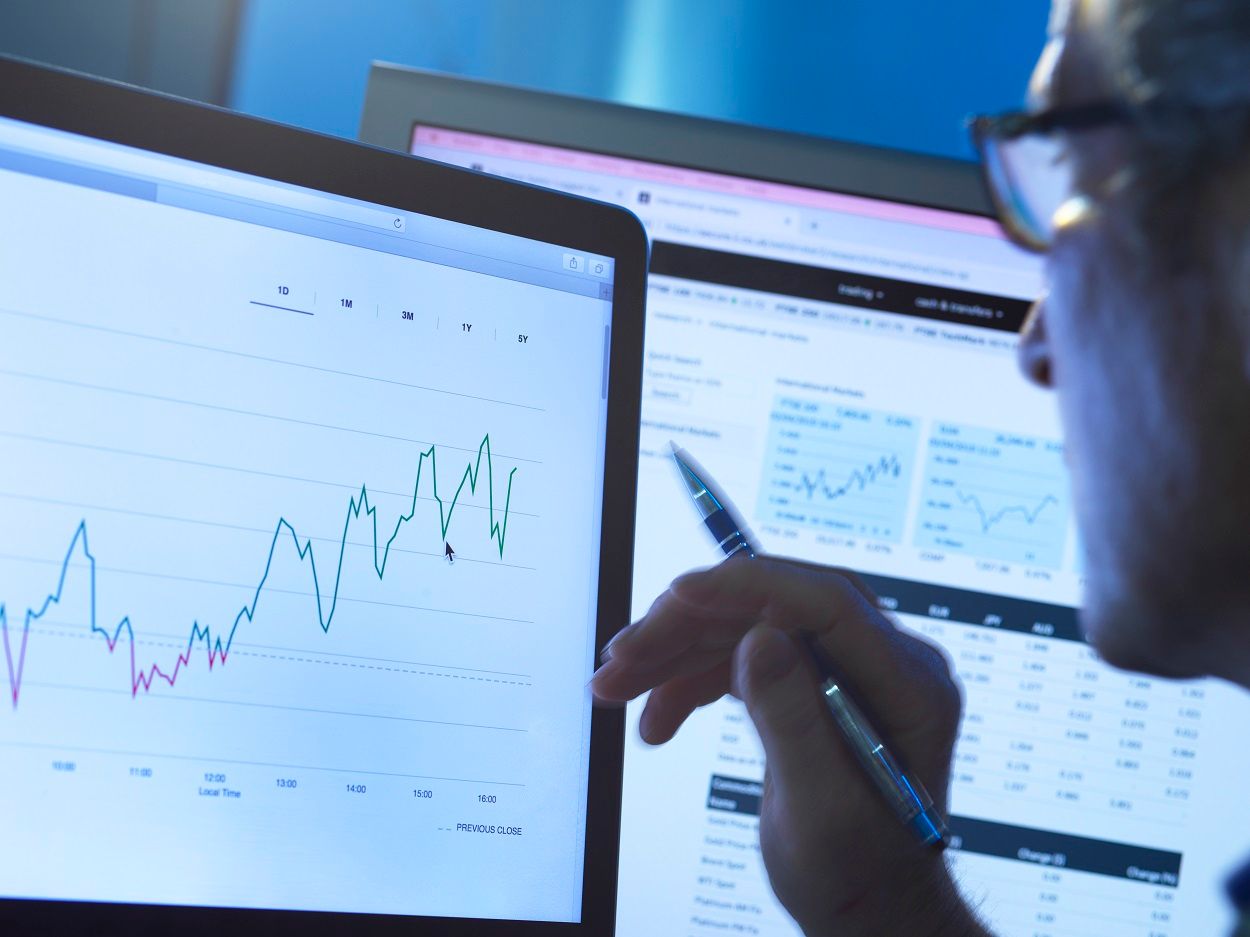
<h1>Online Forex Trading Course: Learn Forex Trading<br>Online from Beginner to Advanced</h1><div>The rise of online education has made it easier for people to learn valuable skills from anywhere. Among these skills, forex trading has gained significant attention from students, professionals, and individuals</div><div>interested in financial markets.</div><div><br></div><div>However, learning forex trading requires more than watching random videos or following trading signals on</div><div>social media. A structured Online Forex Trading Course can help beginners understand the market step by step, develop analytical skills, and learn the importance of proper risk management.</div><div><br></div><div>For learners in Pakistan who want to study forex remotely, online training provides the flexibility to learn without being restricted by location. Mianwali Forex Academy offers online forex education designed to help</div><div>students understand forex trading from fundamental concepts to advanced trading approaches.</div><div>[Image 1]</div><div><br></div><h2>What Is an Online Forex Trading Course?</h2><div>An Online Forex Trading Course is a structured educational program that teaches students how the foreign exchange market works and how traders analyze currency</div><div>movements.</div><div><br></div><div> Instead of learning from disconnected sources, students can follow a systematic curriculum that starts with the basics and gradually introduces more advanced concepts.</div><div>A comprehensive online forex course may cover:</div><div><br></div><div>• Forex market fundamentals</div><div>• Currency pairs</div><div>• Trading sessions</div><div>• Candlestick analysis</div><div>• Technical analysis</div><div>• Price action</div><div>• Support and resistance</div><div>• Market structure</div><div>• Smart Money Concepts (SMC)</div><div>• ICT concepts</div><div>• Risk management</div><div>• Trading psychology</div><div>• Trade planning</div><div><br></div><h2>Why Choose an Online Forex Trading Course?</h2><div><b>1. Learn From Anywhere</b></div><div>One of the biggest advantages of online forex education is flexibility. Students can attend classes from home or any location with a reliable internet connection.</div><div><br></div><div><b>2. Flexible Learning</b></div><div>Online classes can be more convenient for university students and working professionals who have different schedules.</div><div><br></div><div><b>3. Structured Learning</b></div><div>Forex contains a large amount of terminology and technical information. A structured course allows beginners to learn concepts in the correct sequence.</div><div><br></div><div><b>4. Access to Mentorship</b></div><div>Learning with an experienced mentor can make it easier to understand difficult concepts and identify mistakes</div><div>during the learning process.</div><div><br></div><div><b>5. Continuous Skill Development</b></div><div>Forex trading is not a skill that can be mastered overnight. Traders need continuous practice, market</div><div>observation, and improvement.</div><div><br></div><h2>What Do You Learn in an Online Forex Trading Course?</h2><div>Understanding the Forex Market Beginners first need to understand what forex is and how the global currency market operates. You may learn about currency pairs, base and quote currencies, market sessions, spreads, leverage, and other fundamental forex terminology.</div><div><br></div><h2>Technical Analysis</h2><div>Technical analysis involves studying price charts and market behaviour to identify potential trading opportunities. Students may learn about candlestick patterns, trends, support and resistance, market</div><div>structure, chart patterns, price levels, and technical indicators.</div><div><br></div><h2>Price Action Trading</h2><div>Price action focuses on studying the movement of price directly rather than relying entirely on indicators. It can help traders understand how price behaves around important market levels and identify potential market</div><div>structures.</div><div><br></div><h2>Smart Money Concepts</h2><div>Smart Money Concepts, commonly referred to as SMC, is a popular approach among modern forex traders.</div><div>Depending on the curriculum, students may study liquidity, order blocks, market structure, break of structure,fair value gaps, and institutional price behaviour.</div><div><br></div><h2>ICT Concepts</h2><div>ICT concepts have also become popular among traders who want to study liquidity, market structure, price delivery, and institutional trading behaviour. Because these concepts can be complex, beginners should first</div><div>develop a strong understanding of basic forex and price-action concepts.</div><div><br></div><h2>Risk Management</h2><div>Risk management is one of the most important components of forex education. Even a well-planned trade</div><div>can result in a loss because market movements cannot be predicted with certainty. Important concepts</div><div>include position sizing, stop-loss, risk-to-reward ratio, capital preservation, trade planning, and managing</div><div>emotional decisions.</div><div>For learners interested in developing their forex skills in Pakistan, you can also explore our [Forex Trading</div><div>Course in Pakistan] for more information about structured forex education.</div><div><br></div><div>Image 2</div><div><br></div><h2>Who Can Join an Online Forex Trading Course?</h2><div><b><br></b></div><div><b>Beginners</b></div><div>If you have no previous experience with forex, a beginner-friendly course can introduce you to the market from the ground up.</div><div><br></div><div><b>University Students</b></div><div>Students can use online learning to develop knowledge of financial markets alongside their academic education.</div><div><br></div><div><b>Working Professionals</b></div><div>People with full-time jobs can benefit from the flexibility of online classes and learn according to their available schedule.</div><div><br></div><div><b>Existing Traders</b></div><div>Individuals who already have some trading experience can use structured education to strengthen their analysis, risk management, and overall trading approach.</div><div><br></div><h2>How to Choose the Right Online Forex Trading Course</h2><div><b>Check the Course Curriculum</b></div><div>A professional course should have a clear curriculum that progresses from beginner concepts to advanced topics.</div><div><br></div><div>Look for Practical Education</div><div>Forex trading is a practical skill. Students should have opportunities to understand charts, analyze market</div><div>structures, and apply concepts rather than simply memorize definitions.</div><div><br></div><div><b>Consider Mentorship</b></div><div>Guidance from experienced mentors can make the learning process more organized and help students</div><div>understand complicated concepts.</div><div><br></div><div><b>Make Sure Risk Management Is Included</b></div><div>A responsible forex course should teach risk management alongside trading strategies.</div><div><br></div><div><b>Avoid Unrealistic Promises</b></div><div>Forex trading involves risk. Be cautious of programs that guarantee profits, promise a fixed income, or suggest that trading is an effortless way to become wealthy.</div><div><br></div><h2>Why Structured Forex Education Matters?</h2><div>Social media has made forex information easily accessible, but this can also create confusion for beginners.</div><div><br></div><div>One video may recommend one strategy while another promotes a completely different approach. Beginners can quickly become overwhelmed by indicators, signals, strategies, and conflicting opinions. Structured education helps solve this problem by providing a clear learning path.</div><div><br></div><div> Instead of trying to learn everything at once, students can start with the fundamentals, develop their technical knowledge, learn risk management, and gradually move toward more advanced concepts.</div><div><br></div><div>The goal should be to develop independent analytical thinking rather than depend entirely on someone else's</div><div>trading signals.</div><div><br></div><h2>Learn Forex Trading Online with Mianwali Forex Academy</h2><div><b>Mianwali Forex Academy</b> provides forex trading education for individuals who want to develop their</div><div>understanding of the foreign exchange market through structured learning.</div><div><br></div><div>The academy offers training in areas including <b>Price Action, ICT, SMC, VSA, MMXM, and Support &</b></div><div><b>Resistance.</b></div><div><b><br></b></div><div>Online learning allows students to access forex education without being restricted by physical location.</div><div><br></div><div>Whether you are a complete beginner or someone looking to strengthen your existing trading knowledge,</div><div>structured training can provide a clearer path for learning.</div><div><br></div><div>If you are searching for a forex trading course in Pakistan, you can also read our guide on the [Best Forex</div><div>Academy in Pakistan] to learn more about choosing a suitable forex education provider.</div><div>[Image 3]</div><div><br></div><h2><b>Start Your Forex Learning Journey</b></h2><div>Learning forex trading should be viewed as a skill-development journey rather than a shortcut to quick profits.</div><div><br></div><div>Start by understanding the fundamentals. Learn how currency markets work, develop your technical-analysis skills, study price action and market structure, and understand the importance of risk management.</div><div><br></div><div>Most importantly, give yourself time to practice and improve.If you are looking for a flexible way to learn forex trading online, explore the [Online Forex Trading Course] at Mianwali Forex Academy and begin building your understanding of the forex market.</div><div><br></div><div>For course details, online classes, and enrolment information, visit our [Contact Us] page or get in touch with Mianwali Forex Academy today!</div><div><br></div><div><br></div>
"Gold trading demands ultimate psychological discipline. Because of liquidity pool sweeps and high daily volatility spreads, risking more than 1% to 1.5% of equity per position represents excessive gambling rather than execution."